Master the rhythm of Merengue
Isolate instruments, adjust the BPM, and train your musical ear
Improve your musical ear, understand the tambora's pulse and the güira's rhythm. BeatLab is the ultimate merengue metronome for dancers, musicians, and instructors.
Everything you need
to perfect your rhythm
Professional tools designed for dancers, musicians, and instructors who want to perfect their musicality.
Instrument control
Listen to and study each instrument separately. Turn any of them on or off to isolate and analyze each sound individually.

Beat counting
An integrated counting voice helps you mark the step, internalize the merengue march, and maintain synchrony.
Adjustable BPM
Practice at your preferred pace, from a slow learning tempo to social dance speed.
Multiple styles and tracks
Classic orchestral merengue, urban merengue, and street merengue. Each track captures a different rhythm and energy, from the dance floor to the street.
Authentic instruments
Each track is recorded with real instruments from each genre.
Rhythmic bases
Study the tambora's tumbao: the combination of stick, hand, and drumhead that defines the pulse of merengue. Listen to how the güira's derecho pattern intertwines with the tambora to create the genre's unmistakable march.
Listen to each instrument
separately
Mute or unmute any instrument with a tap. Study each sound, train your ear, and develop exceptional musicality.
 Count
Count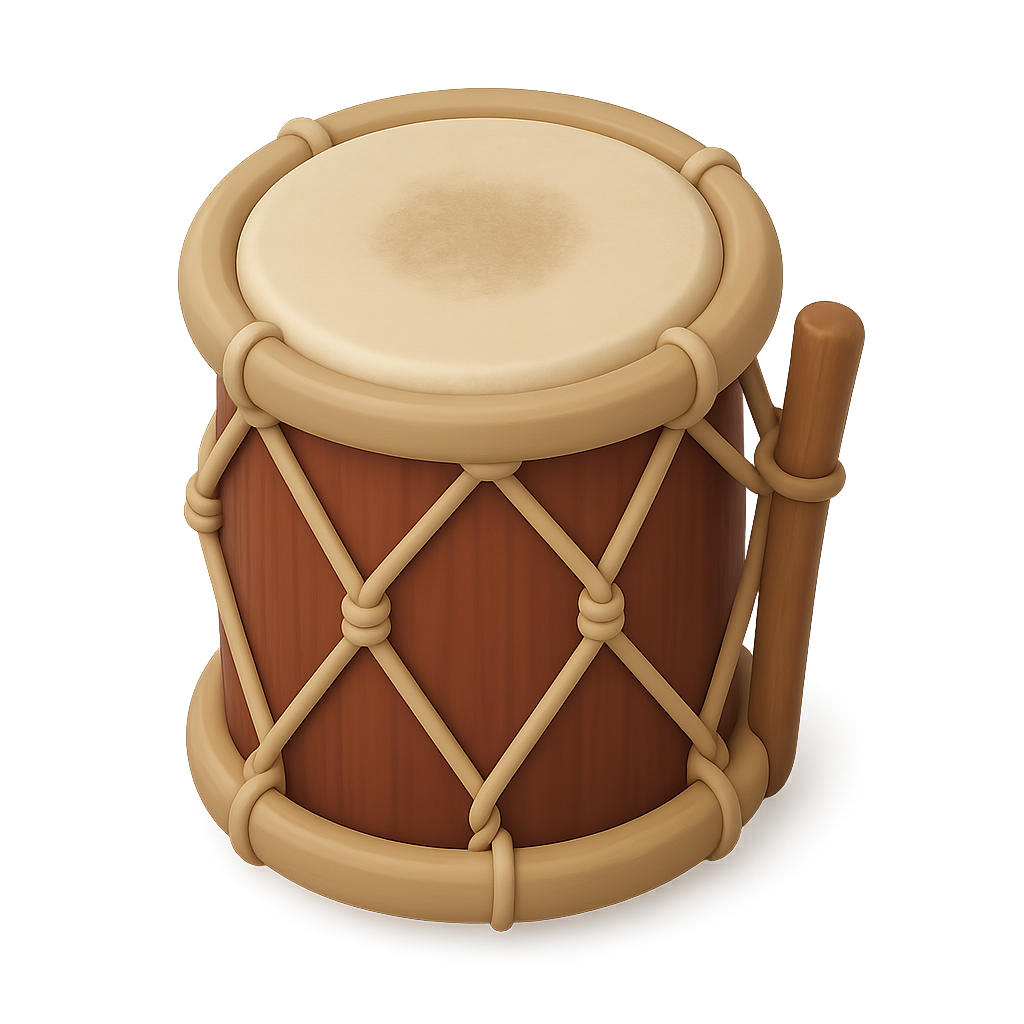 Tambora
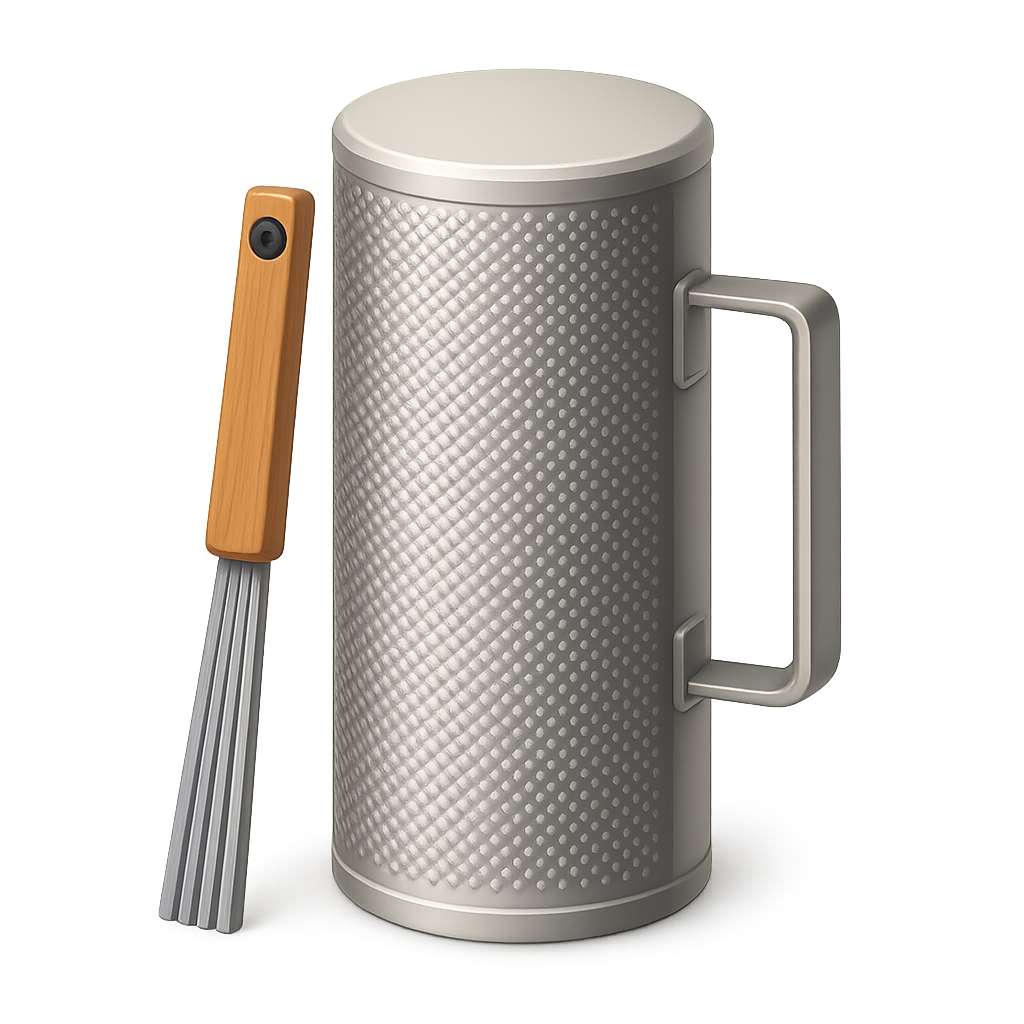 Güira
Güira Saxophone
 Brass
Brass Piano
Piano Congas
 Bass
Bass Guitar
 Kick Drum
 Timbales
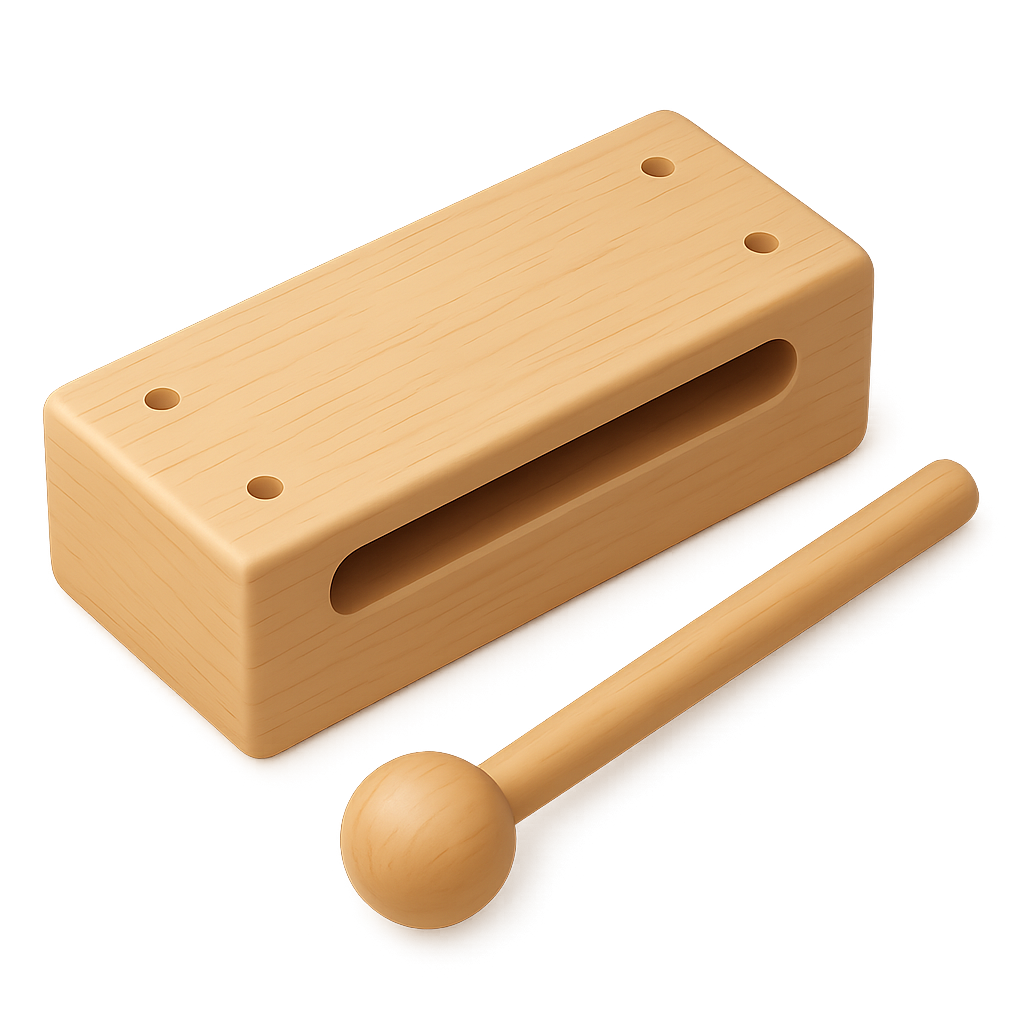 Woodblock
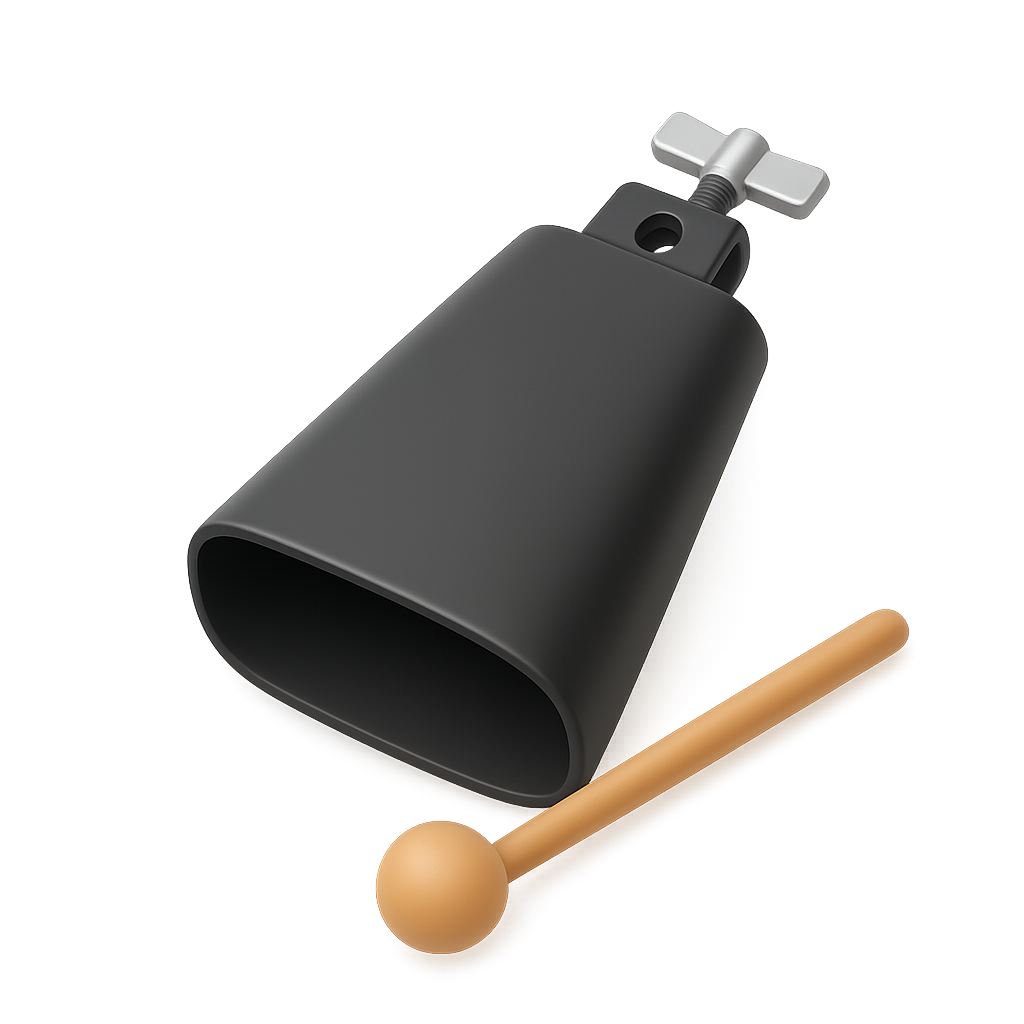 Cowbell
Find answers to your questions
What is merengue?
Merengue is the national musical and dance genre of the Dominican Republic, with roots dating back to the 19th century. Recognized for its fast tempo, its 2/4 time signature, and the leading role of the tambora and güira, merengue was declared Intangible Cultural Heritage of Humanity by UNESCO in 2016. Artists like Juan Luis Guerra and Johnny Ventura have taken it to international stages, making it one of the most widespread Caribbean dances in the world.
What instruments are used in merengue?
Merengue is built on the tambora, güira, piano, bass, saxophone, trumpet, and congas. BeatLab lets you listen to, isolate, and mute each one to study them separately.
How do you count the music for dancing merengue?
Unlike salsa, merengue has a constant marching pattern. It is usually counted in 8-beat cycles (1, 2, 3, 4, 5, 6, 7, 8) stepping on each beat. With BeatLab, you can slow down the BPM to get your feet used to this steady cadence before dancing at full speed.
At what speed (BPM) is merengue played and danced?
Merengue is a cheerful, energetic, and fast rhythm. The traditional tempo is usually between 120 and 160 BPM (Beats Per Minute). With the BeatLab metronome, you can reduce the speed to 90 or 100 BPM to practice your figures and learn to dance comfortably, gradually increasing the speed as you feel more confident with the rhythm and steps.
What role does the tambora play in merengue?
The tambora is the rhythmic heart of merengue. It marks the fundamental pulse and defines the energy of the music. With BeatLab, you can isolate the tambora to clearly hear its pattern and train your rhythmic ear.
How can I improve my timing when dancing merengue?
Use the BPM control to start at a smooth tempo and gradually increase it. Isolate the tambora and the güira to focus on the base pulse, and turn on the beat counting to internalize where each beat falls.
What styles of merengue does BeatLab include?
BeatLab includes classic, urban, and orchestral merengue tracks. Each style has different arrangements and rhythmic patterns so your practice is varied and complete.
Is BeatLab useful for merengue instructors?
Yes. Instructors use BeatLab to teach the structure of merengue in class. You can mute instruments so students can identify each sound and adjust the BPM to the group's level.
Can I use BeatLab to play merengue with my instrument?
Yes. Mute your instrument in the mix and play along to authentic merengue arrangements. Adjust the tempo to your level and practice with the backing of the full band.
What is the difference between "derecho", "pambiche", and "maco" merengue?
In merengue, there are three main rhythmic patterns that completely change the energy of the song and the dance:
- "Derecho" merengue: Has a fast, straight, and constant güira and tambora pattern. It is the traditional and fast-paced march we all know.
- "Pambiche": It is a slower and more syncopated variant. The tambora changes its accents, and the rhythm invites a more rhythmic and close dance.
- "Maco" merengue: Popularized in the 80s, it is characterized by a more "closed" tambora pattern and a much heavier and marked kick drum beat (similar to pop or urban music).
BeatLab allows you to explore tracks with these styles. You can isolate the percussion to hear exactly how the tambora and kick drum change between derecho, pambiche, and maco, perfectly understanding their structure.
What is the difference between typical merengue and orchestral merengue?
Typical merengue (or perico ripiao) is the traditional format originating in the Dominican Republic, played mainly with accordion, tambora, and güira. Orchestral merengue, on the other hand, adds instruments like the piano, saxophone, brass (trumpets/trombones), bass, and congas, achieving a much more robust sound for large dance halls. In BeatLab, you can explore and dissect these complex orchestral arrangements.
Start your journey in Merengue today!
One-time payment. No subscriptions or annoying ads.