Master the rhythm of Bachata
The interactive bachata metronome to isolate its instruments, adjust the BPM, and train your musical ear
Learn to listen to bachata. Master the Derecho, the Majao, and the Mambo, improve your timing, and perfect your musicality. The essential tool for dancers and musicians.
Everything you need
to perfect your rhythm
Professional tools designed for dancers, musicians, and instructors who want to perfect their musicality.
Instrument control
Listen to and study each instrument separately. Turn any of them on or off to isolate and analyze each sound individually.
Beat counting
An integrated counting voice helps you stay on beat, find the "1", and nail the tap on beats 4 and 8.
Adjustable BPM
Practice at your preferred pace, from a slow learning tempo to social dance speed.
Multiple styles and tracks
From traditional Dominican bachata to sensual and modern bachata. Different tempos, arrangements, and vibes so your practice is always varied.
Authentic instruments
Each track is recorded with real instruments from each genre.
Rhythmic bases
Learn to differentiate between Derecho, Majao, and Mambo: the rhythms that define the song's energy. Study how the bass builds the characteristic syncopation of bachata.
Listen to each instrument
separately
Mute or unmute any instrument with a tap. Study each sound, train your ear, and develop exceptional musicality.
 Count
Count Lead
Lead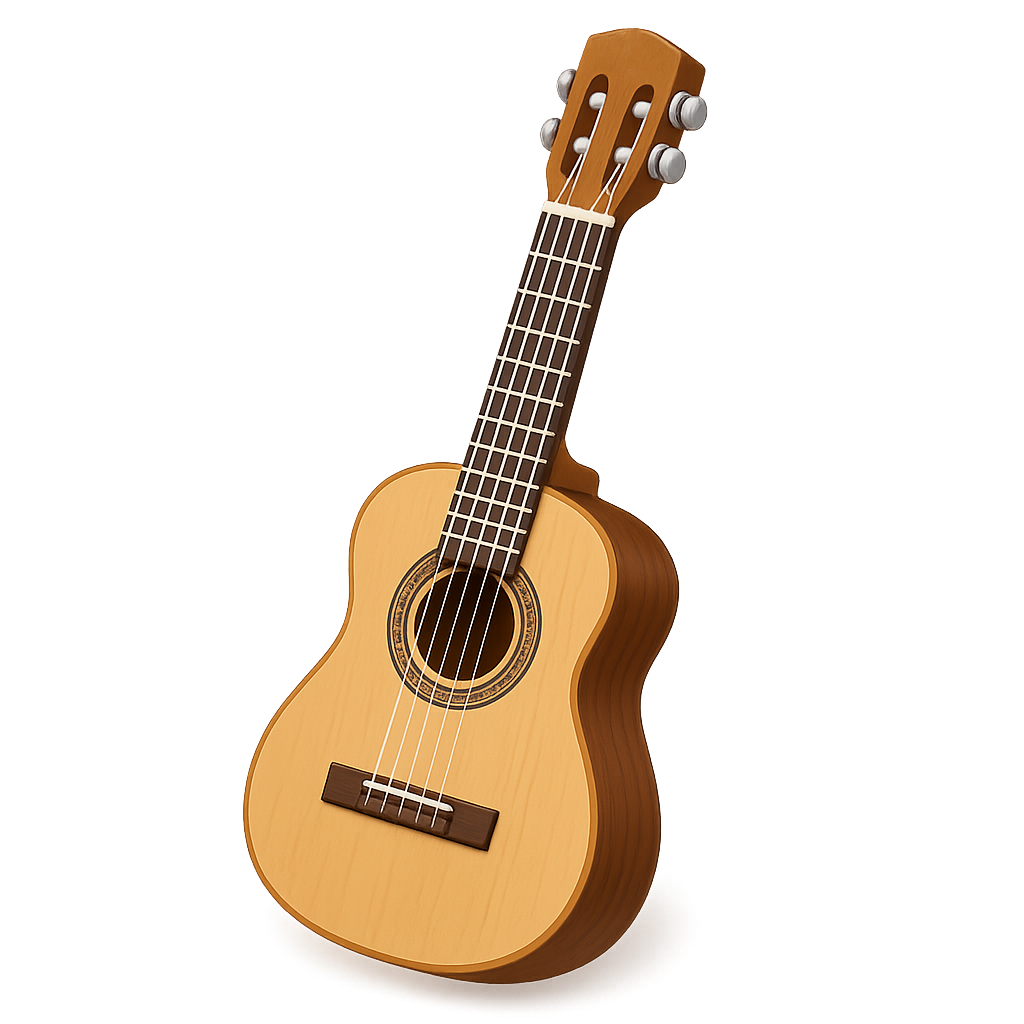 Rhythm
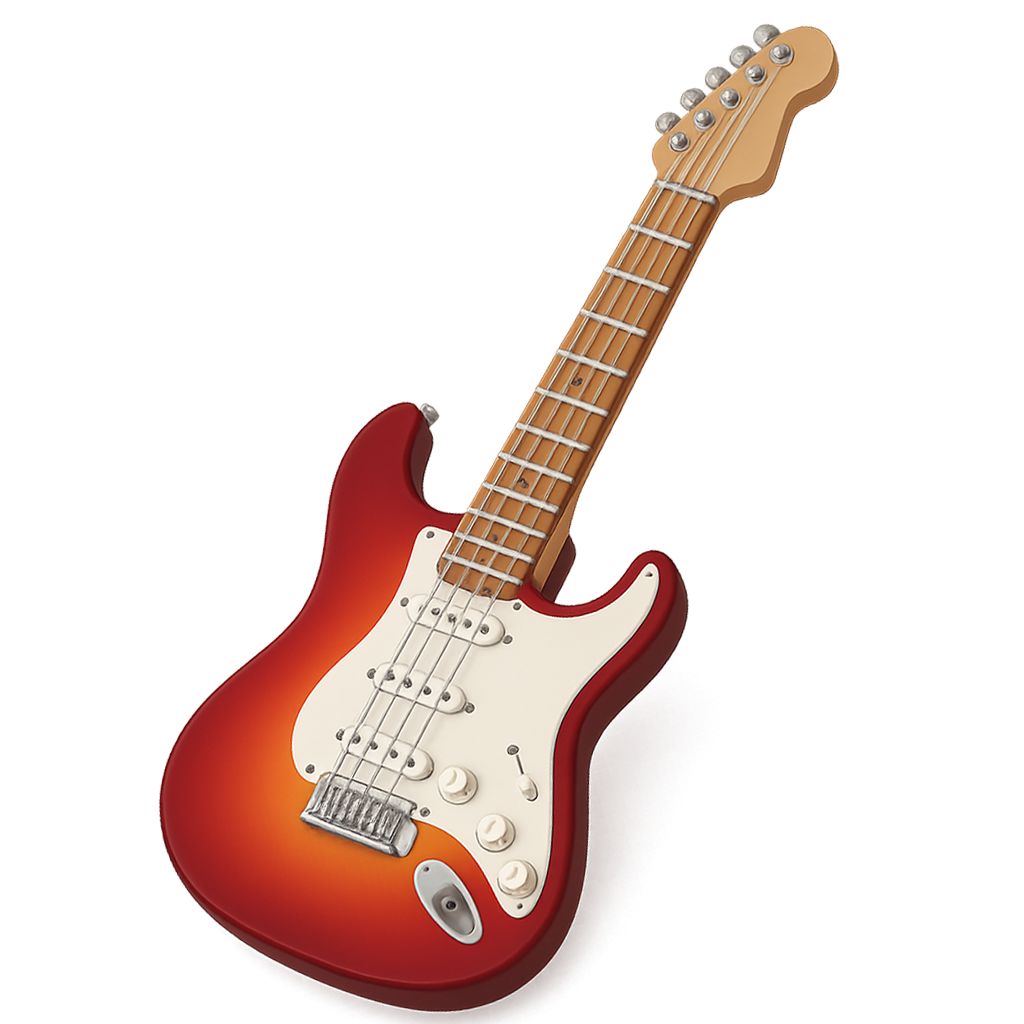 Bass
Bass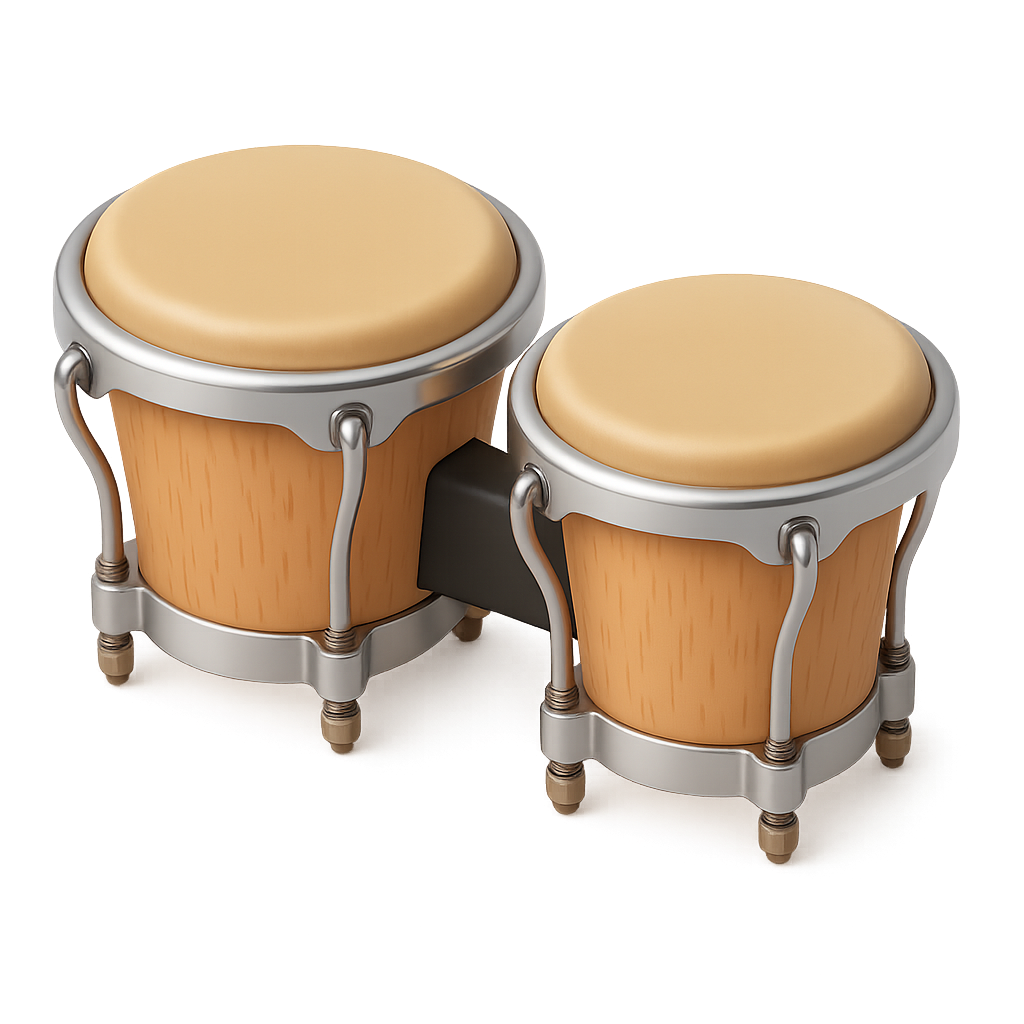 Bongo
Bongo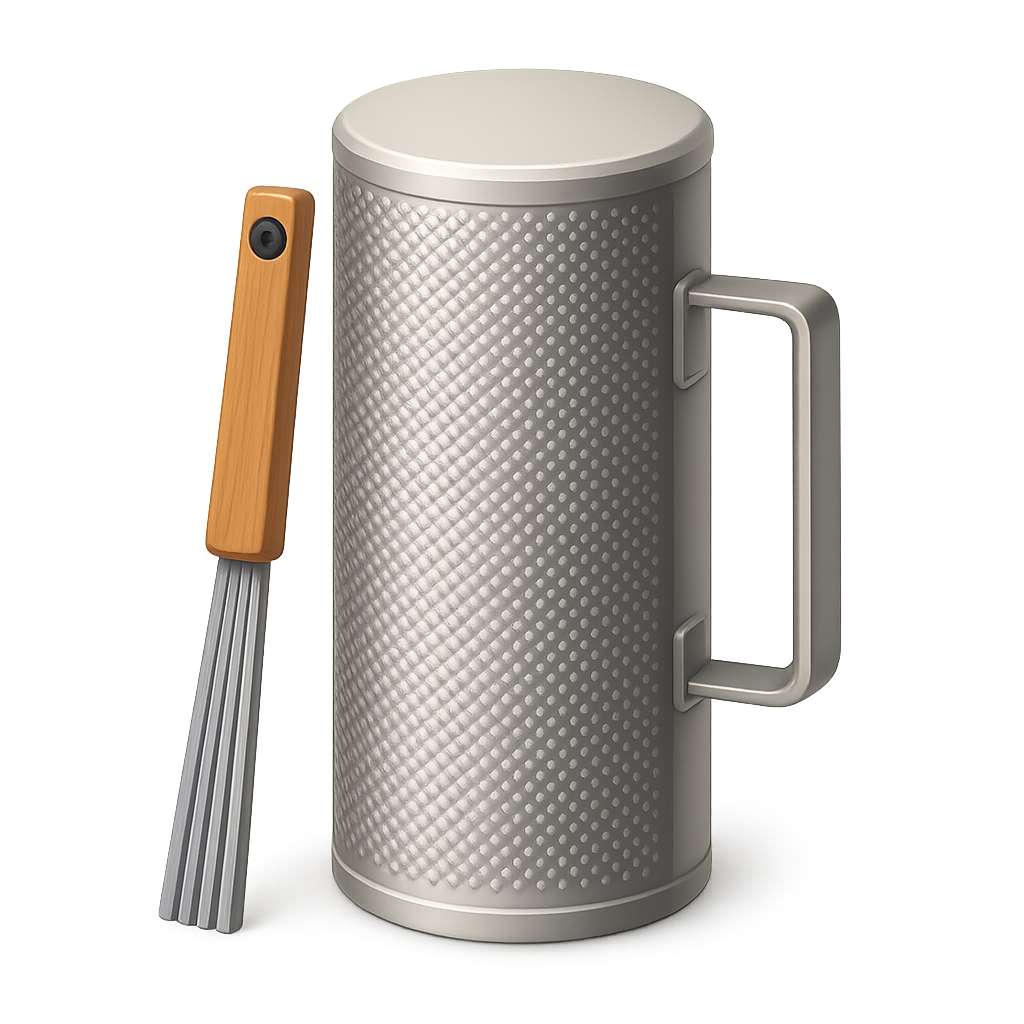 Güira
Güira Maracas
 Piano
PianoFind answers to your questions
What is bachata?
Bachata is a musical and dance genre originating in the Dominican Republic, born in 1962 with José Manuel Calderón as its pioneer. It emerged among the working classes and was marginalized for decades, until 1990 when Juan Luis Guerra brought it to the world with the album "Bachata Rosa". Today it is one of the most popular Latin genres on the planet, declared Intangible Cultural Heritage of Humanity by UNESCO in 2019.
How do you count beats in bachata?
Bachata music is counted in 8-beat blocks (two 4/4 measures). Dancers step on beats 1, 2, and 3, doing a "tap" or hip movement on 4. The cycle repeats stepping on 5, 6, and 7, with a new tap on 8. To find the "1", you must pay attention to phrase changes, bongo hits, or the bass entrance. With BeatLab's counting voice, you will train your ear to always find the downbeat naturally.
What are Derecho, Majao, and Mambo in bachata?
How can I improve my timing when dancing bachata?
Use the BPM control to start at a slow tempo and gradually increase the speed. Combine it with the beat counting to internalize where the "1" and each beat of the measure fall. It's the most effective way to improve your musicality.
What is the purpose of isolating instruments in bachata?
Isolating instruments allows you to clearly hear the role of each one in the music. For example, you can mute everything except the bongo to train your rhythmic ear, or listen only to the requinto to understand the melodies and breaks.
Is BeatLab useful for bachata instructors and teachers?
Yes. Instructors use BeatLab to teach the musical structure of bachata. You can mute instruments in class so your students can identify each sound, and adjust the BPM to adapt the speed to the group's level.
What is the difference between the available bachata tracks?
Each track represents a different arrangement and style within bachata. You can explore variations with different rhythmic patterns, energy levels, and instrumental arrangements for a more complete and varied practice.
Can I use BeatLab to learn how to play bachata?
Of course. BeatLab is ideal for musicians who want to practice along with authentic bachata tracks. Mute your instrument and play over the arrangement, adjusting the tempo to your skill level.
Start your journey in Bachata today!
One-time payment. No subscriptions or annoying ads.